Table Of Content

While it seems the risks of going to sleep with wet hair are minimal, it still pays to be prepared. To give our scalp and strands the best fighting chance, we consulted creative director of famed salon Koda Cutters, Diane Gorgievski, for her tips and tricks to the healthiest sleep habits. As you may have inferred from reading above, there are some downsides to habitually sleeping with wet hair. These include hair breakage, hygiene concerns and the aforementioned sleep issues. Beyond skin concerns, going to bed with wet hair may lead to respiratory issues—damp pillows and bedding could make it easier for mold to grow, Wassef said, which can irritate your airways. A person could develop bacterial or fungal folliculitis, which can manifest as small bumps or pustules on the scalp, said Zeichner.
Gua Sha Experts On How To Lift & Depuff Your Eyes In No Time
In fact, warmth is known to ease stress and tension, and many studies have found that taking a warm bath or shower before bedtime improves sleep quality. You’ve washed your hair with the best shampoo, exfoliated your body, completed your skin-care regimen and even washed your bedding. It’s very tempting to cut corners here so you can get on with your night, but there are some very good reasons you should reconsider hitting the hay with a wet head.
Other Problems Linked to Sleeping on Wet Hair
Not only is that bad for your hair and skin, but it can also increase your chances of getting and spreading various infections. Despite the belief that sleeping with wet hair can cause health problems, there is little scientific evidence to support this idea. Sleeping with wet hair is unlikely to cause significant health problems for most people, but there are other reasons to reconsider going to bed with wet hair. Still, if you experience any unusual scalp symptoms after sleeping with wet hair, make sure to speak with your doctor.
Dr. Dustin Cotliar,
The added friction from sleeping on a pillow with wet hair may also make things worse, pulling some strands of hair farther than their elasticity allows, leading to breakage. Sleeping with wet hair can cause hair breakage, which isn’t quite the same thing as hair loss. Hair loss refers to an absence of hair growing from the scalp, while hair breakage is an actual break in the hair shaft and doesn’t always occur at the root.
Those with chemically processed hair, including colored, straightened, or permed, are even more vulnerable to damage when wet. The simplest step is to dry the hair as much as possible before going to bed. Chemically treated hair may be more prone to damage if slept on while wet. Conditioner helps seal the hair cuticle, reduce friction, and make hair easier to detangle. The risks are pretty minimal, but there are a few you should be aware of before thinking you can hit the hay sopping wet every night. Jay is one of the members of the Beardoholic writers team and NFL, celebrity barber.
Is Sleeping With Wet Hair a Bad Idea?

Every once in a while, it’s fine to go to bed with wet hair, but there are things you can do to try and ease any negative effects. When repeated over time, your scalp can become inflamed, leading to itchy, dry patches and even hair loss. “When you wake up to unruly bedhead, you’re probably going to have to re-wet it again to properly dry it and regain control. It can be tempting to lie in bed and fall asleep right after showering, especially if you've had a long day. Sleeping with wet hair isn't a crime, of course — but there could be some long-term consequences. However, spending more time indoors or outdoors or not going outside with wet hair has not been shown to actually make a difference in the risk of developing a cold.
How to Keep Your Hair Protected at Night
Braiding wet hair helps protect your strands, and in the morning, you’ll be rewarded with beautiful loose waves. To avoid more friction and keep your hair in better shape, use a silk pillowcase made from silk materials. You’ve probably heard about the advantages of silk or satin pillowcases, claiming to prevent frizz and even reduce bacteria growth.
Is It Bad To Sleep With Wet Hair? - Forbes
Is It Bad To Sleep With Wet Hair?.
Posted: Mon, 18 Sep 2023 07:00:00 GMT [source]
How to Sleep With Wet Hair the Correct Way: 5 Expert Tips (Step-By-Step)
Gain access to exclusive deals on mattresses, bedding, CPAP supplies, and more. See how your sleep habits and environment measure up and gauge how adjusting behavior can improve sleep quality. Yazan is a scientific researcher and writer in various fields such as genetics, fertility, and sleep disorders. His curiosity in the field of science has been budding since a very young age, and he firmly believes in the importance of quality writing in order to convey information as efficiently as possible. In his free time, Yazan likes to try to invent new recipes, and find new ways to create new content whether it being in the form of photography, writing, or graphic design.
The Really Gross Reason You Shouldn't Go To Bed With Wet Hair - GLAMOUR UK
The Really Gross Reason You Shouldn't Go To Bed With Wet Hair.
Posted: Mon, 05 Feb 2024 08:00:00 GMT [source]
Geoff’s passionate about helping readers improve their well-being to lead happier lives. Outside of work, Geoff enjoys cycling and hiking and believes that by leading a healthy lifestyle, he can help others do the same. Fine, coloured hair is most vulnerable to sleep-related damage, she explained, so you should establish a sleep pattern and sleep habits that won’t further damage the condition. “While they have not been shown in any studies to reduce breakage, they certainly will not hurt your hair,” she said.
The friction and movement against the pillow can disrupt the curl pattern and lead to more frizz and tangles,” says Haliti. While straight thin hair has a similar issue with dryness and frizz the increased friction can lead to tangles, breakage, and moisture loss. But we know that life isn’t perfect, so if you must go to sleep with wet hair there are some ways to help avoid potential damage.
Here's what the experts say about this nighttime habit that can cause problems for your hair, skin and health. Despite these widely held beliefs, there is not a lot of strong scientific evidence that sleeping with wet hair is going to cause problems for everyone. Depending on the circumstance, a person should consider the potential risks of sleeping with wet hair and how to take care of your hair while you sleep. There is a greater possibility of damaging your hair when wet than when it is dry.
Acne, on the other hand, could be another unpleasant side effect of sleeping with wet hair. While there is no specific evidence linking going to bed with wet hair and an acne breakout, it’s certainly possible. Gitau tells Sleepopolis that the damp environment created on pillows and bedding from wet hair leads to the growth of bacteria that can be transferred onto the skin while we sleep, which might lead to acne breakouts. As wet hair dries overnight, some water evaporates into the air and some becomes absorbed by pillows and other bedding. Sleeping on a warm damp surfacecan create an environment near the face and scalp that might cause problems.
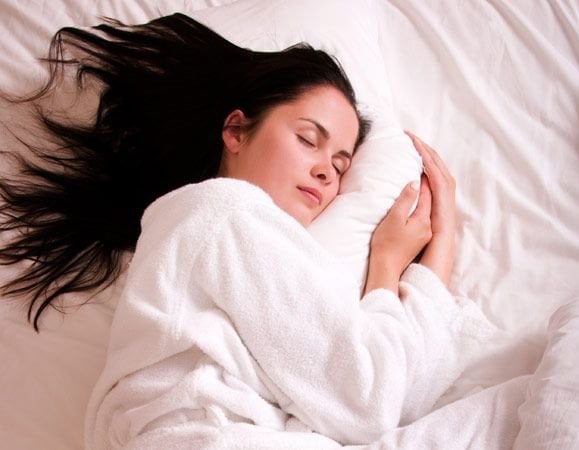
In other words, when you sleep with wet hair, your hair products inadvertently become face products, which may be less than optimal for your skincare goals. According to Washington-based board-certified dermatologist Noelle Sherber, the effects of sleeping with wet hair are more than root-deep. From stressed strands to scalp fungus, the internet is full of horror stories when it comes to sleeping with wet hair. A late night hair wash that leaves you so exhausted you can’t help but skip the blow dryer and fall straight into bed.



No comments:
Post a Comment